 By Fairytale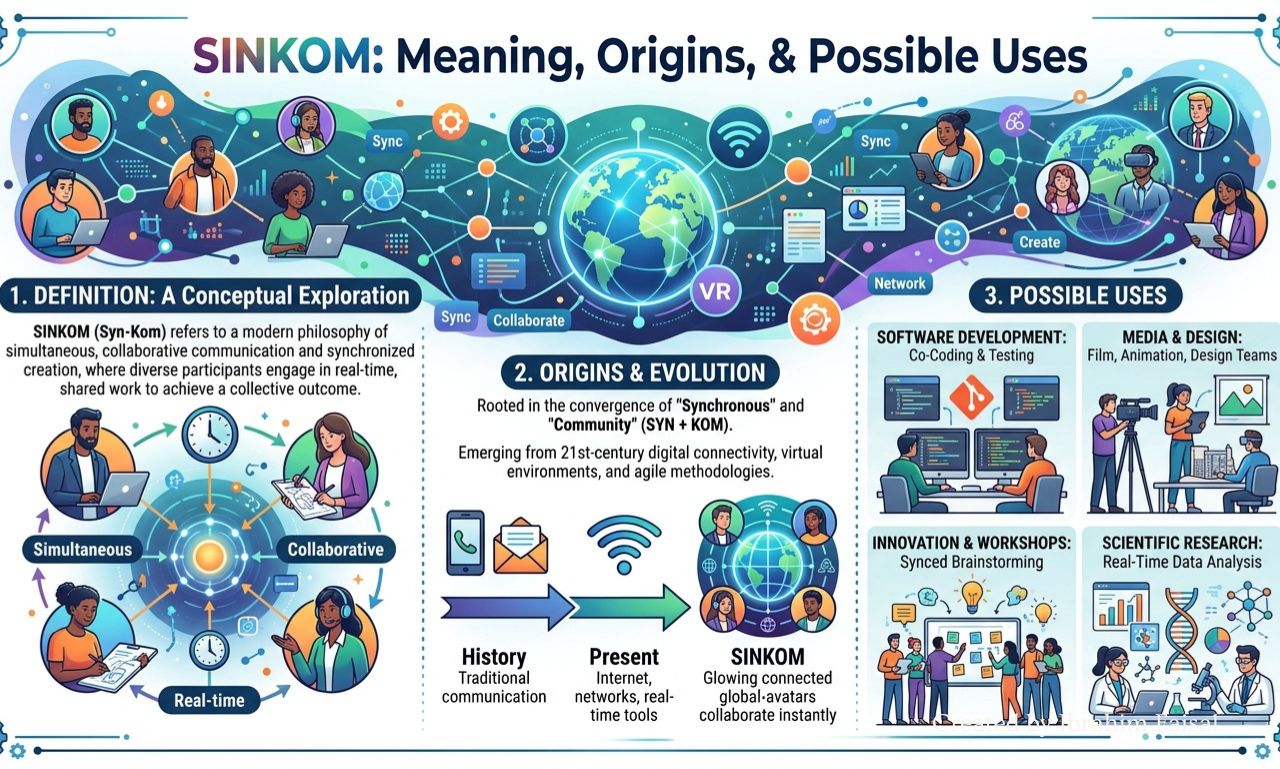
Have you ever stumbled upon a word that piqued your curiosity, leaving you wondering about its meaning and origins? Enter “sinkom.” This intriguing term has started to make waves in various conversations, but what does it actually signify? Understanding the essence of sinkom can open up new avenues for communication and expression. In this blog post, we’ll dive deep into the definition, explore its roots, and uncover how you might incorporate this captivating word into your daily interactions. Whether you’re looking to impress friends or simply expand your vocabulary, let’s unravel the mysteries of sinkom together!
The Meaning of Sinkom
Sinkom is a term that has gained traction in various circles, often used to convey a sense of camaraderie and connection. At its core, it embodies the idea of unity among individuals who share similar interests or experiences.
This word can also imply a feeling of reassurance or support within a community. When someone says “sinkom,” it acts as an invitation to engage and participate openly.
The versatility of sinkom allows it to adapt across different contexts. Whether it’s in casual conversations, online discussions, or even creative expressions, this word resonates with those seeking togetherness and understanding.
Its playful sound adds an element of charm, making it memorable for anyone who encounters it. Embracing the meaning behind sinkom opens doors to deeper interactions and strengthens bonds with others around you.
Origins and etymology of the word
The word “sinkom” carries a fascinating blend of influences in its etymology. While it appears modern, its roots can be traced back to various languages, hinting at cultural exchanges over time.
Some linguists suggest that it may derive from an amalgamation of terms related to sinking or descent. This connection evokes imagery of something submerging or disappearing into another realm.
Interestingly, there are hints of Middle English and Old Norse contributions as well. These historical ties enrich the meaning, adding layers to how we perceive “sinkom” today.
In contemporary usage, this term has evolved further through social media and digital communication platforms. The evolution reflects our society’s penchant for creating new words that encapsulate complex ideas succinctly.
Understanding these origins helps us appreciate not just the word itself but also the dynamics of language development across cultures and eras.
Possible interpretations and uses of Sinkom
The term “sinkom” can evoke a variety of interpretations depending on the context. For some, it symbolizes a sense of community and togetherness, suggesting that individuals are interconnected in their experiences.
In creative circles, sinkom might represent artistic expression. Artists could use it to describe the blending of styles or ideas. It becomes a way to convey collaboration within diverse mediums.
Within digital spaces, sinkom could be employed as slang among friends, capturing moments of humor or shared understanding. Its informal nature lends itself well to social media interactions.
Moreover, businesses may find utility in marketing by adopting sinkom as part of their brand identity. This unique word can help establish a memorable connection with consumers who resonate with its meaning.
Whether used casually or strategically, sinkom opens doors for innovative communication across various domains.
How to incorporate Sinkom into everyday language
Incorporating sinkom into your daily conversations can be both fun and impactful. Start by using it in casual chats with friends. Instead of saying “that’s amazing,” try “that’s sinkom!”
You might also sprinkle it into social media posts for a fresh vibe. For example, when sharing an exciting update, caption it with “Feeling totally sinkom about this!”
At work, you can introduce the term during brainstorming sessions. It adds a unique flavor to discussions and encourages creativity.
Don’t shy away from using sinkom in written communication either. Emails or texts that need some excitement? Use the word to highlight enthusiasm or approval.
Remember, context is key. Adjust how you use sinkom based on who you’re speaking with to keep it engaging and relatable!
Examples of popular culture references to Sinkom
Sinkom has made its mark in various corners of popular culture, often serving as a metaphor for unexpected twists and turns. In contemporary music, several artists have dropped references to Sinkom, using it to evoke feelings of surprise or disillusionment.
Television shows also embrace the term. Characters might exclaim “That’s so Sinkom!” when faced with an ironic situation. This brings humor while highlighting the absurdity of life’s challenges.
In literature, authors sometimes weave Sinkom into their narratives to explore themes of contradiction and complexity. It adds depth to character development and plot progression.
Movies aren’t left out either; you may spot characters using “Sinkom” during pivotal moments that change everything. These instances showcase how versatile the term can be across different mediums. Its usage resonates with audiences who appreciate modern vernacular intertwined with deeper meanings.
Implications of using Sinkom in different contexts
Using “sinkom” carries various implications depending on the context. In casual conversations, it can serve as a playful or humorous term, adding an element of surprise and intrigue. This light-hearted use often fosters camaraderie among friends.
In professional settings, however, caution is essential. Employing sinkom may confuse colleagues or clients unfamiliar with its meaning. Miscommunication could arise if used inappropriately during meetings or presentations.
Conversely, adopting sinkom within niche communities might enhance bonds among members who understand its significance. It becomes a badge of identity that strengthens connections.
Culturally, the word’s connotation can shift dramatically based on regional dialects or subcultures. It’s vital to stay aware of these nuances to avoid potential misunderstandings.
The flexibility of sinkom allows for creative expression but requires mindfulness to ensure it’s received positively across different audiences and situations.
Conclusion
Understanding the meaning of “sinkom” opens a door to its rich history and varied applications. This unique term invites curiosity, whether in casual conversation or creative expression. By exploring its origins, we gain insight into how language evolves and adapts over time.
The interpretations of sinkom can be vast, each context shaping its significance. Incorporating it into everyday dialogue adds flair and depth to communication. From social media posts to artistic references, there are countless ways to make this word your own.
As you start noticing sinkom in different contexts—be it literature, music, or personal interactions—you’ll appreciate the nuances it brings to discussions. It’s not just a word; it’s an opportunity for connection and understanding among diverse audiences.
Embracing sinkom enriches both language and life experiences. So why not give it a try? Use it creatively in your daily conversations or explore its representation in modern culture. The possibilities are endless when we allow ourselves the freedom to play with words.